


The keys to a successful Audio Visual (AV) design and deployment call for diligent adherence to the process of determining an optimum available solution. Key steps include:
- Understanding
- Choosing
- Implementing
- Documenting/Training
It is important to first know your client’s vision for a successful deployment, then discuss the desired end result with a budget in mind. The old adage of ‘champagne taste and beer budget’ often remains true today. That is, it is not always as easy as it sounds to get what you want for the fees you have budgeted. A professional technology consultant can help find the best available solution after a thorough understanding of a client’s expectations.
It may seem that having a basic knowledge of the scope, such as a restaurant or office, is enough to create an excellent design. That certainly matters a great deal, however it is also important to know the primary expectations for that facility. And in certain cases, what are the secondary uses of the facility, or even tertiary uses? This knowledge helps with prioritizing the wish list while considering the budget.
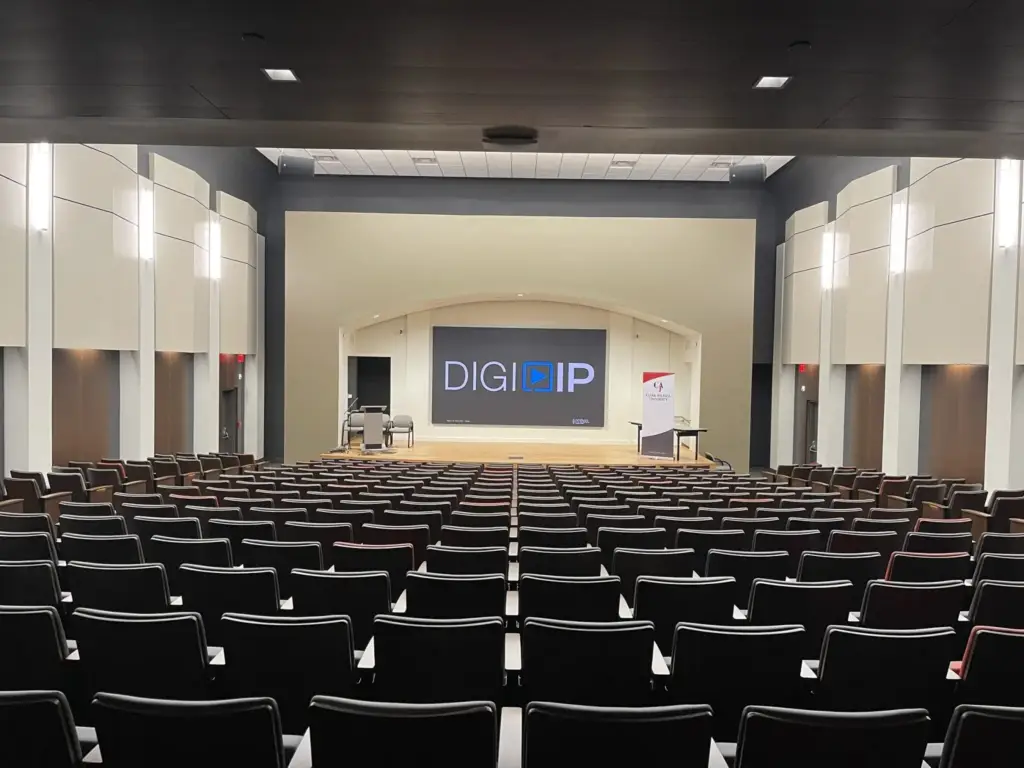
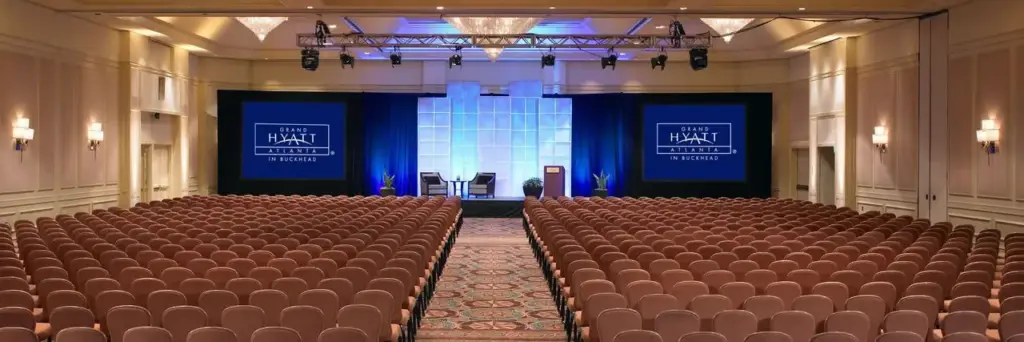
As an example, it may be obvious that the design for a large performing arts theater and a small university lecture hall are not the same. But how they are different requires understanding the owner’s vision. That is, what are the expectations as they relate to the design and the actual systems you will deploy? Presuming the solution must satisfy the client’s vision, it is critical to learn the client’s expectations early in the process. The ensuing discussion will be instrumental in matching his or her vision to the end result. And in turn, we can better advise our client with regard to a design which will deliver the best possible solution within a defined budget.
Understanding the Client’s Expectation – The Needs Assessment
Discovering the client’s vision and expectations should take place early, via the needs assessment. Those who have any experience with journalism will likely remember the five big W’s that effective writing must communicate.
Who? What? Where? When? Why?
The Needs Assessment must address these questions. And, add one more – How?
Who is the AV system owner?
Who is representing the owner?
Who is making technology decisions on the owner’s behalf?
Who sets the Schedule milestones?
Who controls the Budget?
Who will primarily operate this AV system?
Who will routinely setup/maintain this AV system?
What is the primary goal/objective for this new/renovated AV system? Secondary goal/objective?
What kind of issues or problems will this new/renovated AV system need to address?
What are the primary use cases or scenarios to be supported?
What group(s) does the AV system serve?
What kind of events will the AV system primarily support?
What kind of technologies/features/capabilities does this AV system need?
What are the physical, logistical, and financial constraints associated with this AV system?
What security or accessibility restrictions will be required?
Where will this AV system be installed?
Where is the presentation area?
Where is the audience?
Where is the primary control location?
Where will user input/output connections be located?
Where will loose or portable AV system equipment be stored?
Where is the sun and/or windows in relation to this AV system?
When is the first use of this AV system expected?
When/how often will this AV system primarily be used?
When/how often will this AV system need reconfiguration for different uses?
When/how many user training sessions are expected?
When, or how long will this AV system be expected to last?
Why is this AV system needed?
Why or How will this system help achieve the client’s goals and objectives?
How many presenters will be supported? How many audience members/participants will be supported?
And of course the answers to some of the questions may create more questions.
In general, AV systems can support a multitude of desired functions, such as:
Announcement – Entertainment – Background listening – Conferencing – Collaboration
Performance – Lecture – Classroom Learning – Discussion – Presentation – Training
Perhaps not surprisingly, if we asked 20 clients, many or most of them might want the functionality for nearly all or every option – at least before a discussion of budget. It may be that every function adds value, even if not required for the facility’s primary use. However, having each of them equally prioritized may only come with an increased budget. The system(s) implemented should be based on a discussion of the main use of the facility, the budget (including total cost of ownership), and who will be using the controls. Secondary uses and ‘nice-to-have’ features will be evaluated against the desired budget.
One of the challenges that has been common over the course of my career is the misconception that a bill of materials is enough to deliver a great design. A bill of materials is not a design any more than a grocery list is a recipe. That is, an AV design is more than just a list of components – quite a bit more.
Choosing Appropriate Technologies and Products
Knowing the requirements of any given system in scope is our job as credentialed AV subject matter experts.
We also believe it is our job to help:
Choose technologies and products that cost effectively provide the functional capabilities and level of performance needed.
Choose technologies and products that mitigate the issues or problems to be addressed.
Choose technologies and products that are readily available within the project timeline.
Choose technologies and products that are scalable/flexible to the client’s needs.
Choose technologies, products, and manufacturers that the users and support staff are familiar with when possible.
Choose the fewest number of different products/product types/manufacturers across the breadth of the project.
Choose products with the appropriate form factors.
Choose products designed to survive the intended use.
Choose products designed to survive the deployment environment.
Choose products that address the client’s aesthetic.
Appropriate System Implementation
Following a design that has been coordinated and agreed upon, next we will:
Always choose contractors or integrators who are experienced in routinely deploying the types and scale of systems required under similar project constraints.
Always provide ample, stable, and clean power in our design.
Always design for proper ventilation for any powered equipment.
Always design with appropriate access space for installation, maintenance, and service of the installed system.
Always design for deployment of equipment in the orientation it was designed to support.
Avoid having to temporarily move or relocate installed systems in order to access other systems.
Avoid burdening users with unnecessary control choices or excessive interface page flips for routine system operations.
Provide a consistent user interface experience across the breadth of the project systems.
Ensure that the user interface accurately reflects the state of the system.
Ensure that the systems behave in a consistent, stable, and reliable manner.
Engineer and deploy the system to preclude passive theft or inadvertent misconfiguration.
Engineer and deploy the system to operate safely within the limits of its capabilities without failure or harm.
Engineer and deploy the system to be self aware and self healing whenever possible.
Consulting – Designing – Deploying
In order to provide the best available design, NTI begins by consulting with our clients. Our approach is to initially engage to clearly establish our client’s ultimate objectives early in the design phase.
Although we are not the ones who install the structured cabling and the required systems, our services after design and during construction do help ensure that all systems have been installed correctly, and that they have been tested. Documenting the processes required to operate the systems, and confirming all are adequately trained is a final critical component of a successful implementation.
Documenting/Training
Always accurately label and document the system as installed.
Always update the system documentation when changes are made.
Always demonstrate that the system effectively delivers the required functionality for the client’s use cases.
Always train the users how to effectively use the system for their use cases/scenarios.
Always expect the system to receive routine maintenance and service throughout its lifecycle.
After the design is complete, we respond to RFIs and submittals. We also visit the site as needed to confirm the design intent throughout the construction phase, so that the systems will work as expected on opening day, and for years to come.
NTI was founded in 1998 by Jeff Cook and his partners to provide professional commercial technology consultation services. NTI has grown into a thought leader in the low voltage industry, with expertise in multiple industries. Our company is led by seasoned professionals who carry industry designations such as P.E., RCDD, RCDD/NTS, CTS, CTS-D, and PMP.
About the author
Craig Coleman, P.E., CTS-D
Craig joined NTI in April of 2021, bringing with him 25 years of experience. He is an expert with creative designs, systems specifications and adept at collaboration with design teams, AV technicians and field engineers.